Frederick Cornwallis Conybeare

Biographical details

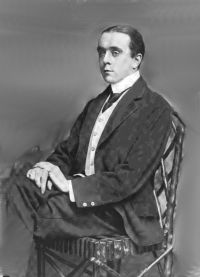
Portrait of Frederick Cornwallis Conybeare Frederick Cornwallis Conybeare,  1911 Encyclopædia Britannica (1911)

“ This is not necessarily the case with the worshipper of aniconic or unshaped gods. The Semite or savage who sets up a sacred stone or Bethel believes indeed that a divine power or influence enters the stone and dwells in it, and he treats the stone as if it were the god, kisses it, anoints it with oil, feeds the god in it by pouring out over it the blood of victims slain. But he is not an idolater, for he has not “made unto himself any graven image, nor the likeness of anything that is in heaven above or in the water beneath or in the water under the earth.” ”
Source: Wikisource

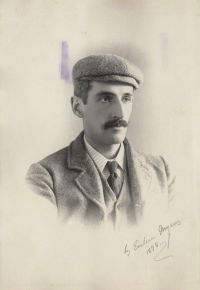
Portrait of Frederick Cornwallis Conybeare Frederick Cornwallis Conybeare,  1911 Encyclopædia Britannica, Volume 10… (1911)

“ Send forth, we pray Thee, O Lord, Thy holy spirit, the Paraclete from Heaven, into this fatness of oil, which Thou hast deigned to produce from the green wood for refreshment of mind and body; and through Thy holy benediction may it be for all that anoint, taste, touch, a protection of mind and body, of soul and spirit, unto the easing away of all pain, all weakness, all sickness of mind and body ”
Source: Wikisource

Portrait of Frederick Cornwallis Conybeare Frederick Cornwallis Conybeare,  1911 Encyclopædia Britannica, Volume 13… (1911)

“ In the early church water was not expressly consecrated for baptisms and other lustrations. “Water,” says Tertullian in his tract on baptism, “was the abode at the first of the divine Spirit, being more acceptable then (to God) than the other elements.” He pictures the world in the beginning: “total darkness, formless as yet, without tending of stars, the melancholy abyss, the earth unprepared, the heaven undevelopt. The liquid alone an ever perfect material, smiling, simple, pure in its own right, as a worthy vehicle underlay the God.” ”
Source: Wikisource

Get perspective with Kwize: daily news enlightened by great literature