Comparative religion

Definition and stakes

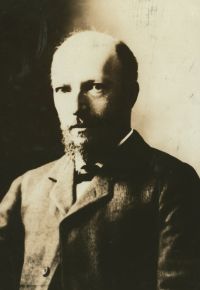
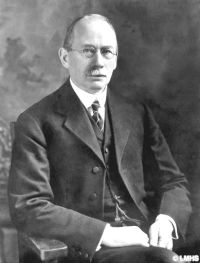
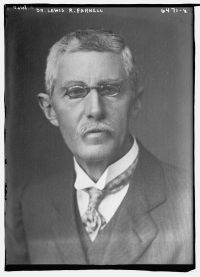
Portrait of Lewis Richard Farnell Lewis Richard Farnell,  Greece and Babylon (1911)

“ He has formulated them in regard to Comparative Religion in such a way that I feel precluded, in handling this part of the whole field, from what may be called the primitive anthropology of religion. I shall not, therefore, deal directly with the embryology of the subject, with merely savage religious psychology, ritual, or institutions. It is not that I do not feel myself the fascination of these subjects of inquiry, and their inevitableness for one who wishes wholly to understand the whole of any one of the higher world-religions. ”
Source: Gutenberg

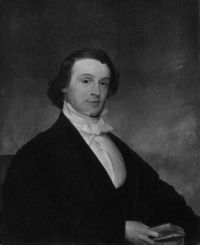
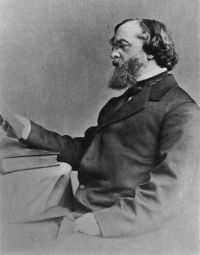
Portrait of James Freeman Clarke James Freeman Clarke,  Ten Great Religions: An Essay in Comparative Theology

“ But the next problem in Comparative Theology is synthetical, and considers the adaptation of each system to every other, to determine its place, use, and value, in reference to universal or absolute religion. It must, therefore, examine the different religions to find wherein each is complete or defective, true or false; how each may supply the defects of the other or prepare the way for a better; how each religion acts on the race which receives it, is adapted to that race, and to the region of the earth which it inhabits. ”
Source: Gutenberg

Get perspective with Kwize: daily news enlightened by great literature