Ka

Definition and stakes

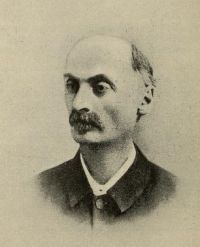
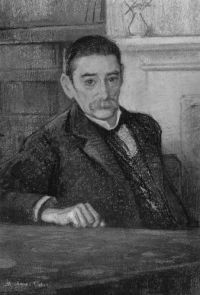
Portrait of Zelia Nuttall Zelia Nuttall,  The Fundamental Principles of Old and New World Civilizations

“ Ka (duality) is commonly expressed by an uplifted pair of arms; a variant being the whole figure of a man with raised arms (7 and 8) . The fact that the name for phallus was also ka, explains its employment as a sacred symbol, recorded by Herodotus, which proves to what extremes the ancient rebus-writers went in their naïve invention and multiplication of secret signs and modes of expressing the names and attributes of their “hidden god.” ”
Source: Gutenberg

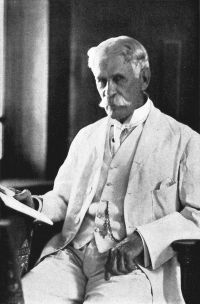
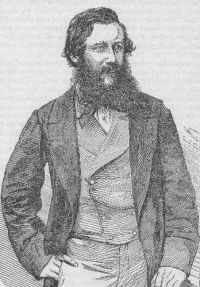
Portrait of Algernon Blackwood Algernon Blackwood,  Four Weird Tales

“ Like the points of compasses, with stems invisible, and directed from the sky, their movements marked the outlines of great signatures of power—the sigils of the type of life they would evoke. It would come as a Procession. No individual outline could contain it. It needed for its visible expression—many. The descent of a group-soul, known to the worship of this mighty system, rose from its lair of centuries and moved hugely down upon them. The Ka, answering to the summons, would mate with sand. The Desert was its Body. ”
Source: Gutenberg

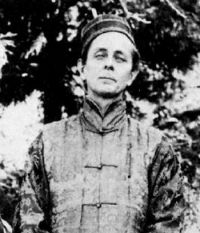
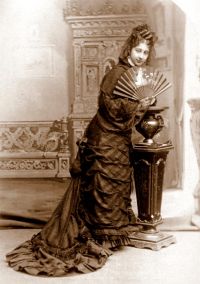
Portrait of A. H. Sayce A. H. Sayce,  The Religions of Ancient Egypt and Babylonia

“ According to this conception, the imperishable part of man which, like the Ka, passed after death into the other world, was the Ba or “soul.” Like the Khu, the Ba was pictured as a bird; but the bird is usually given a human head and sometimes human hands.29 But, while the Khu was essentially divine, the Ba was essentially human. It is true that the Ba, as well as the Khu, was assigned to the gods—Ra of Heliopolis was even credited with seven; but whereas man possessed a Khu or luminous soul because he was likened to the gods, the gods possessed a Ba because they were likened to men. ”
Source: Gutenberg

Get perspective with Kwize: daily news enlightened by great literature