Kami

Definition and stakes

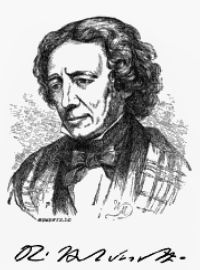
Portrait of William Elliot Griffis William Elliot Griffis,  The Religions of Japan, from the Dawn of History to the Era of Méiji

“ The gods are only men of prowess or renown. A kami is anything wonderful—god or man, rock or stream, bird or snake, whatever is surprising, sensational, or phenomenal, as in the little child's world of to-day. There is no sharp line dividing gods from men, the natural from the supernatural, even as with the normal uneducated Japanese of to-day. As for the kami or gods, they have all sorts of characters; some of them being rude and ill-mannered, many of them beastly and filthy, while others are noble and benevolent. ”
Source: Gutenberg

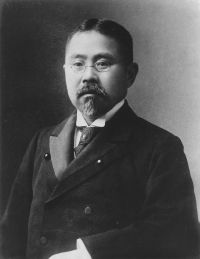
Donald A. Mackenzie,  Myths of China and Japan (1923)

“ The term kami is applied in the first place to the various deities of heaven and earth who are mentioned in the ancient records as well as to their spirits (mi-tama) which reside in the shrines where they were worshipped. Moreover, not only human beings, but birds, beasts, plants, and trees, seas and mountains, and all other things whatsoever which deserve to be dreaded and revered for the extraordinary and pre-eminent powers which they possess are called kami. They need not be eminent for surpassing nobleness, or serviceableness alone. ”
Source: Gutenberg

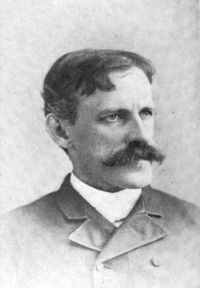
Donald A. Mackenzie,  Myths of China and Japan (1923)

“ Malignant and uncanny beings are also called kami if only they are objects of general dread. Among kami who are human beings, I need hardly mention, first of all, the successive Mikados—with reverence be it spoken.... Then there have been numerous examples of divine human beings, both in ancient and modern times, who, although not accepted by the nation generally, are treated as gods, each of his several dignity, in a single province, village, or family. ”
Source: Gutenberg

Get perspective with Kwize: daily news enlightened by great literature