Hula, a traditional Hawaiian dance form, intertwines storytelling, spirituality, and communal expression through rhythmic movements, chants, and music. Nathaniel Bright Emerson, in Unwritten Literature of Hawaii, portrays it as a sacred ritual celebrating mythic ages and human nature, while Isabel Anderson emphasizes its origins as a devotional practice aimed at honoring deities like Pele.
Authors such as Charmian London and Padraic Colum further examine its evolution, blending reverence with the dance’s adaptive role in both ceremonial and everyday contexts. These perspectives collectively reveal hula as a dynamic cultural vessel, preserving Hawaiian identity through its fusion of artistry and ancestral memory.
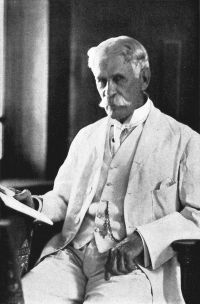 Nathaniel Bright Emerson,
Unwritten Literature of Hawaii…
Nathaniel Bright Emerson,
Unwritten Literature of Hawaii…