Kapu

Definition and stakes

Fornander collection of Hawaiian antiquities and folk-lore…

“ The first and the last of the seven days in every month have been kept kapu ever since by all generations of Hawaiians.” (Mookuauhau o Puanue. Au Okoa Oct. 14, 1869.)
In an ancient prayer reference is made to the subversion of the creed of religion (kapu) of Kahai by Lono.
When Moikeha came from Tahiti (Moaulanui) he brought with him his kilokilo, called Kamahualele, who followed him to Kauai; also his two sisters, named Makapuu and Makaaoa; also his two brothers named Kumukahi and Haehae; also his kahuna named Mookini.
”
Source: Gutenberg

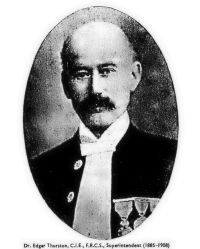
Portrait of Edgar Thurston Edgar Thurston,  Castes and Tribes of Southern India (1909)

“ The caste is rather a mixed one, for they will admit, without much scruple, persons who have been expelled from their proper caste, or who are the result of irregular unions. The bulk of the Balijas are now engaged in cultivation, and this accounts for so many having returned Kāpu as their main caste, for Kapu is also a common Telugu word used for a ryot (farmer) . It is not improbable that there was once a closer connection than now between the Kāpus and the Balijas, and the claim of the Balijas to belong to the Kāpu caste may have a foundation in fact. ”
Source: Wikisource

Portrait of Edgar Thurston Edgar Thurston,  Castes and Tribes of Southern India…

“ A poor Telaga or Vantari often gives his daughter in marriage to a rich Kāpu. The Telagas and Vantaris are highly Brāhmanised, and will have a Brāhman for their guru, and get themselves branded at his hands. A Kāpu is generally content with a Sātāni or Jangam. Though they do not differ in their marriage and funeral rites from the Kāpus, they usually marry their girls before puberty, and widow remarriage and divorce are disallowed. A Kāpu is invariably a cultivator ”
Source: Gutenberg

Get perspective with Kwize: daily news enlightened by great literature