Hanseatic League

Definition and stakes

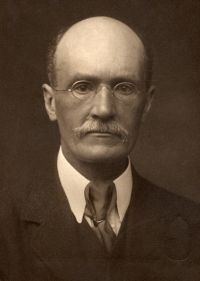
Portrait of Edwin Francis Gay Edwin Francis Gay,  1911 Encyclopædia Britannica, Volume 12… (1911)

“ Among the factors, economic, geographic, political and social, which combined to bring about the decline of the Hanseatic League, none was probably more influential than the absence of a German political power comparable in unity and energy with those of France and England, which could quell particularism at home, and abroad maintain in its vigour the trade which these towns had developed and defended with their imperfect union. ”

Source: Wikisource

Hutton Webster,  Early European History

“ The commercial importance of the league extended far beyond the borders of Germany. Its trading posts, or "factories," at Bergen in Norway and Novgorod in Russia controlled the export trade of those two countries. Similar establishments existed at London, on the Thames just above London Bridge, and at Bruges in Flanders. Each factory served as a fortress where merchants could be safe from attack, as a storehouse for goods, and as a general market.
INFLUENCE OF THE HANSEATIC LEAGUE The Hanseatic League ruled over the Baltic Sea very much as Venice ruled over the Adriatic.
”
Source: Gutenberg

Portrait of Edwin Francis Gay Edwin Francis Gay,  1911 Encyclopædia Britannica, Volume 12… (1911)

“ In the 15th century the League, with increasing difficulty, held a defensive position against the competition of strong rivals and new trade-routes. In England the inevitable conflict of interests between the new mercantile power, growing conscious of its national strength, and the old, standing insistant on the letter of its privileges, was postponed by the factional discord out of which the Hansa in 1474 dexterously snatched a renewal of its rights. ”
Source: Wikisource

Get perspective with Kwize: daily news enlightened by great literature