Polonaise

Definition and stakes

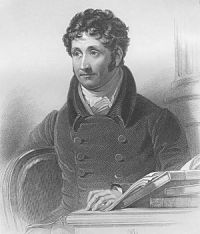
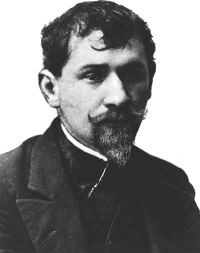
Portrait of Stanisław Przybyszewski Stanisław Przybyszewski,  Anthology of Modern Slavonic Literature in Prose and Verse (1919)

“ The polonaise in A flat major is an overwhelming and truly exalted "Danse macabre" of that nation which, ever afresh, was condemned to death, and ever afresh broke the coffin-lid—and this, its magnificent clinging to life, its uniquely stubborn affirmation of life, has nowhere been revealed in Polish art so potently, so grimly, and so majestically as in this heroic dance. ”
Source: Wikisource

Ardern Holt,  Fancy dresses described (1887)

“ The most effective pre-arranged dance is a well-performed Minuet or the stately Pavane, the See-saw Waltz, the Staffordshire Jig, Le Carillon de Dunkerque, Ribbon Dance, Mazurka, a Highland Schottische, a Norwegian dance, a Polonaise in Watteau Costume, or the Cachuca. At juvenile fancy balls dancing is not, as a rule, the sole amusement. ”
Source: Wikisource

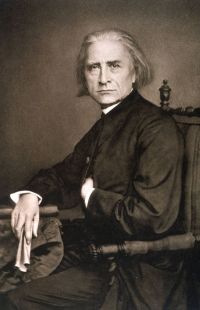
Portrait of Franz Liszt Franz Liszt,  Life of Chopin

“ His Polonaises, characterized by an energetic rhythm, galvanize and electrify the torpor of indifference. The most noble traditional feelings of ancient Poland are embodied in them. The firm resolve and calm gravity of its men of other days, breathe through these compositions. Generally of a martial character, courage and daring are rendered with that simplicity of expression, said to be a distinctive trait of this warlike people. They bring vividly before the imagination, the ancient Poles, as we find them described in their chronicles ”
Source: Gutenberg

Get perspective with Kwize: daily news enlightened by great literature