Hardship, defined as the state of enduring difficulty, privation, or adversity, has long been a central theme in literature, reflecting humanity’s resilience and moral growth. Authors such as H. Rider Haggard depict it as a transformative force, likening it to forging iron-like endurance, while George Eliot frames it as a necessary trial that sustains perseverance.
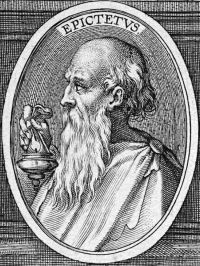
Orison Swett Marden emphasizes its role in nurturing selflessness, and Epictetus contrasts the poor’s patience with societal complacency. These varied perspectives reveal hardship not merely as suffering, but as a crucible for forging strength, virtue, and clarity of purpose.
 H. Rider Haggard,
Ayesha, the Return of She
H. Rider Haggard,
Ayesha, the Return of She