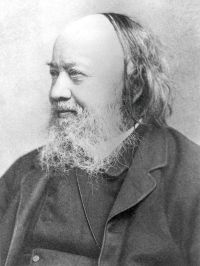
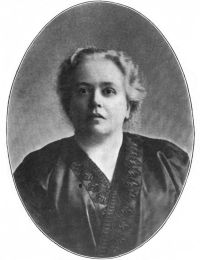
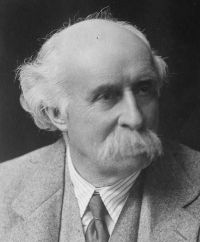
Privation refers to a condition of lack or deficiency, typically involving hardship, distress, or the absence of basic necessities. Writers have examined this theme from various perspectives: Thomas Jefferson associated it with economic pressure, observing how moderate deprivation is less severe than complete destitution, while Beatrice Webb illustrated its human cost within social frameworks, focusing on shared suffering.
John Stuart Mill viewed it as a measurable sacrifice for societal advancement, contrasting it with abundance. Aristotle, on the other hand, considered privation as a philosophical paradox, emphasizing its role in shaping human abilities. These viewpoints together highlight privation as both a material and existential state, closely linked to themes of work, poverty, and perseverance.
 Thomas Jefferson,
The Writings of Thomas Jefferson…
Thomas Jefferson,
The Writings of Thomas Jefferson…