Summary

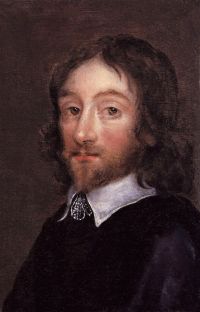
Portrait of Thomas Browne Thomas Browne Sir Thomas Browne's works, including his life and correspondence (1835)

Nature hath furnished one part of the earth, and man another. The treasures of time lie high, in urns, coins, and monuments, scarce below the roots of some vegetables. Time hath endless rarities, and shows of all varieties; which reveals old things in heaven, makes new discoveries in earth, and even earth itself a discovery. That great antiquity America lay buried for thousands of years, and a large part of the earth is still in the urn unto us.
Source: Wikisource

Portrait of Thomas Browne Thomas Browne Sir Thomas Browne's works, including his life and correspondence (1835)

Life is a pure flame, and we live by an invisible sun within us. A small fire sufficeth for life, great flames seemed too little after death, while men vainly affected precious pyres, and to burn like Sardanapalus; but the wisdom of funeral laws found the folly of prodigal blazes, and reduced undoing fires unto the rule of sober obsequies, wherein few could be so mean as not to provide wood, pitch, a mourner, and an urn.
Source: Wikisource

Portrait of Thomas Browne Thomas Browne Sir Thomas Browne's works, including his life and correspondence (1835)

But to subsist in bones, and be but pyramidally extant, is a fallacy in duration. Vain ashes which in the oblivion of names, persons, times, and sexes, have found unto themselves a fruitless continuation, and only arise unto late posterity, as emblems of mortal vanities, antidotes against pride, vain-glory, and madding vices. Pagan vain-glories which thought the world might last for ever, had encouragement for ambition; and, finding no atropos unto the immortality of their names, were never dampt with the necessity of oblivion.
Source: Wikisource

Get perspective with Kwize: daily news enlightened by great literature