William Ellery Channing

Biographical details

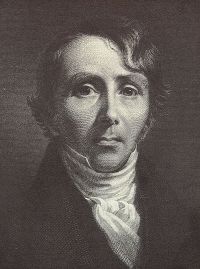
Portrait of William Ellery Channing William Ellery Channing Slavery

Is a being, who can understand the sublimest truth which has ever entered the human mind, who can love and adore God, who can conform himself to the celestial virtue of the Saviour, for whom that Saviour died, to whom heaven is opened, whose repentance now gives joy in heaven,—is such a being to be held as property, driven by force as the brute, and denied the rights of man by a fellow-creature, by a professed disciple of the just and merciful Saviour? Has he a religious nature, and dares any one hold him as a slave?
Source: Gutenberg

Portrait of William Ellery Channing William Ellery Channing Slavery

Who does not know, that the office of Overseer is among the last, which an enlightened, philanthropic, self-respecting man would choose? Who does not know, how often the overseer pollutes the plantation by his licentiousness, as well as scourges it by his severity? In the hands of such a man the lash is placed. To such a man is committed the most fearful trust on earth! For his cruelties the master must answer, as truly as if they were his own. Nor is this all. The master does more than delegate his power to the overseer. How often does he part with it wholly to the slave-dealer!
Source: Gutenberg

Portrait of William Ellery Channing William Ellery Channing Unitarian Christianity (1819)

An enemy to every religion, if asked to describe a Christian, would, with some show of reason, depict him as an idolater of his own distinguishing opinions, covered with badges of party, shutting his eyes on the virtues, and his ears on the arguments, of his opponents, arrogating all excellence to his own sect and all saving power to his own creed, sheltering under the name of pious zeal the love of domination, the conceit of infallibility, and the spirit of intolerance, and trampling on men's rights under the pretence of saving their souls.
Source: Wikisource

Get perspective with Kwize: daily news enlightened by great literature