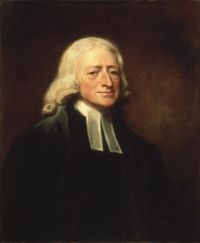
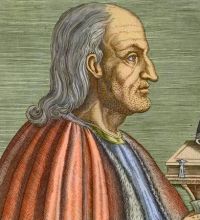
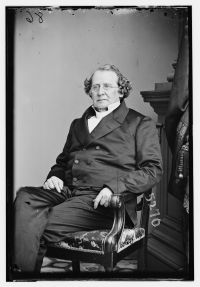
Scriptures refer to sacred texts regarded as divinely inspired or revelatory, serving as foundational elements in religious and philosophical discourse. Authors such as Matthew Henry emphasized their dual role as expressions of both God’s revealed and hidden will, while John Wesley highlighted their practical value in moral and spiritual guidance. B. H.
Roberts connected scriptures to specific theological contexts, and Brigham Young broadened their scope to include Latter Day Saint texts. Henry David Thoreau, meanwhile, envisioned a broader "Scripture of mankind" encompassing global sacred writings. These varied perspectives illustrate how scriptures function as both fixed truths and evolving sources of meaning across traditions.