“ Let me a moment put aside the distinctions of Protestant and Romanist. Let us, my Roman Catholic hearers, recollect that we are both poor worms of the earth—with immortal souls—passing into an awful eternity—an eternity into which you and I may be plunged speedily. I say unto you then, as dying men and fellow sinners, that all is not right, if your Church or your Priests stand between you and the Word of God. I say to you, though the Pope himself preach to you, “Search the Scriptures” for yourselves; assert the right of examining the Word of God. ”
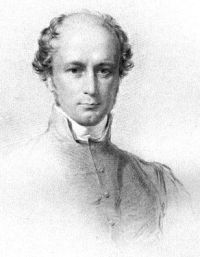
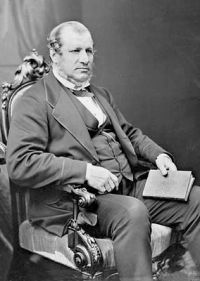
John C. Miller
Biographical details
John C. Miller, a 19th-century English preacher and writer, is best known for his controversial tract Bible-Burning, which strongly criticizes Roman Catholicism and promotes Protestant ideals centered on personal Bible study and scriptural independence. His work highlights themes of religious reform, the conflict between institutional power and individual belief, and the ethical need for scripture to be widely available.
Through fervent language and persuasive arguments, Miller questions church hierarchies, asserting the universal right of ordinary people to engage directly with the Word of God. His influence remains as a thought-provoking voice in discussions about faith, tradition, and the role of scripture in shaping moral and spiritual identity.
Quotes by John C. Miller
“ Is it not a blessed and irrefragable proof of the fact that God intended all to have the Bible—that the Bible in its great and vital truths (I do not say its every mystery) is open, under the teaching of the Holy Spirit, not merely to the Priest or to the scholar, but to the most ignorant of men? And I will venture to assert that, so far from the Bible being above the comprehension of an uneducated man, whenever you find such an one become a humble, prayerful, reader of the Bible, it expands and strengthens the powers of his mind. ”
“ But we do say that it is the glory of our Church that, when the truth of God had been overlaid with error and corruption, she came out of the corruption herself, and made a bold protest against it. Let us not be ashamed of the name Protestant. We want not Protestantism as a mere toast at a jovial dinner—as the mere shibboleth of a party. Our Protestantism is a holy thing. It is a protest against the corruption of the truth of God. And, if you love Protestantism, dally not with Popery. Don’t go to Roman Catholic Chapels to hear the pretty music! ”