Permission denotes the attribute of a person freed from legal or ethical blame in performing an action that might otherwise be considered improper. This concept, frequently confused with consent, depends on institutional or normative structures that confer authority to act. Authors like James Champlin Fernald distinguished “license” as a limited freedom characterized by a lack of restraint, while Herbert Spencer associated permission with the conditional relinquishment of private rights for public benefit.
Legal theorists such as Wesley Newcomb Hohfeld described permission as a temporary legal authorization, separate from property rights. These viewpoints highlight how permission functions within organized systems of power and responsibility, influencing the relationship between individual autonomy and shared societal norms.
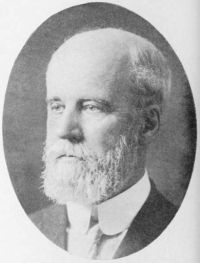 James Champlin Fernald,
English Synonyms and Antonyms
James Champlin Fernald,
English Synonyms and Antonyms