Pleading, in legal contexts, refers to formal statements of claims or defenses in civil proceedings, structuring the issues to be adjudicated. In common law systems, it evolved from intricate procedural forms to code pleading, emphasizing factual clarity. Authors like M. E. Braddon depicted its emotional weight in literature, while Adam Clarke framed it as divine discourse.
Legal texts highlight its role in shaping judicial processes, contrasting with metaphorical uses in works like George Eliot’s, where pleading symbolizes human supplication. This duality reveals pleading as both a procedural instrument and a universal expression of argumentation, bridging legal rigor and human vulnerability.
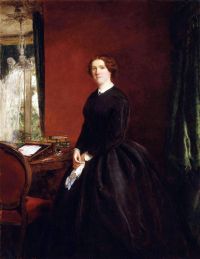 M. E. Braddon,
The Lovels of Arden
M. E. Braddon,
The Lovels of Arden