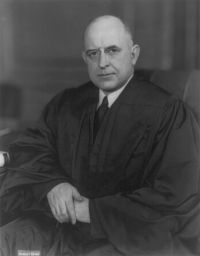
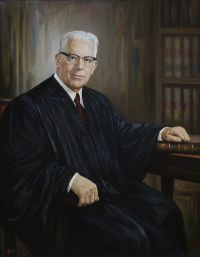
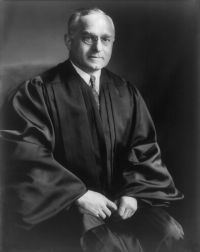
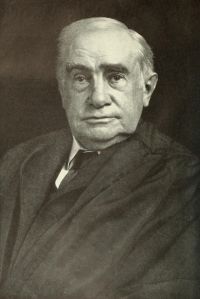
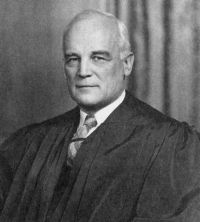
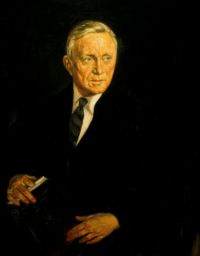
Licensing refers to the regulatory mechanism by which authorities grant authorization to engage in specific activities, often balancing public interest with individual rights. Legal scholars and officials, such as Harlan F. Stone and William J. Brennan Jr., have examined its role in statutory compliance and procedural fairness, emphasizing thorough evaluation of applications.
Gandhi’s writings underscore transparency in licensing decisions, while others highlight its function in upholding standards or regulating monopolies. The theme reflects a spectrum of approaches, from judicial oversight to administrative implementation, illustrating licensing as a tool for governance and accountability.
 Harlan F. Stone,
Columbia Broadcasting System v…
Harlan F. Stone,
Columbia Broadcasting System v…