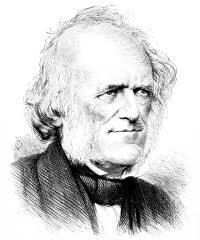
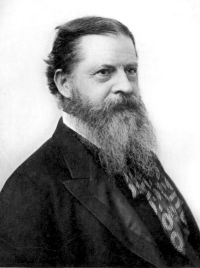
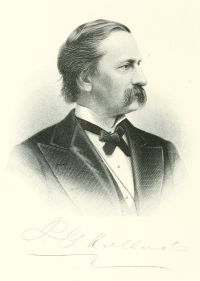
The concept of a substitute refers to a replacement or alternative that fulfills a function, role, or representation in place of something else. Scholars across disciplines have examined this theme through varied perspectives: John Marshall questioned the legal validity of substitutes in communication, while Henry James critiqued artistic alternatives as compromises concealing truth.
Jules Michelet viewed human development as a transformation of innate nature into cultivated identity, and Sir Charles Lyell emphasized alternatives in scientific theories that challenge established beliefs. These viewpoints highlight substitution as a dynamic means for adaptation, critique, and innovation, underscoring its widespread influence on human thought and practice.