Summary

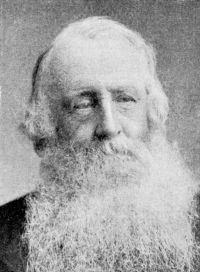
Portrait of Edward A. Freeman Edward A. Freeman The Growth of the English Constitution from the Earliest Times

The chief of the commonwealth, now such no longer, leaves his seat of office and takes his place as a simple citizen in the ranks of his fellows. It rests with the free will of the Assembly to call him back to his chair of office, or to set another there in his stead. Men who have neither looked into the history of the past, nor yet troubled themselves to learn what happens year by year in their own age, are fond of declaiming against the caprice and ingratitude of the people, and of telling us that under a democratic government neither men nor measures can remain for an hour unchanged.
Source: Gutenberg

Portrait of Edward A. Freeman Edward A. Freeman The Growth of the English Constitution from the Earliest Times

There was a time when every freeman of England could raise his voice or clash his weapon in the Assembly which chose Bishops and Ealdormen and Kings, when he could boast that the laws which he obeyed were laws of his own making, and that the men who bore rule over him were rulers of his own choosing. Those days are gone, nor need we seek to call them back. The struggles of ages on the field and in the Senate have again won back for us the selfsame rights in forms better suited to our times than the barbaric freedom of our fathers.
Source: Gutenberg

Portrait of Edward A. Freeman Edward A. Freeman The Growth of the English Constitution from the Earliest Times

By surrounding the Crown with the reflected glory of his own virtues, he did more than any other man to strengthen its power. He thus did more than any other man to pave the way for that foul despotism of his successors whose evil deeds would have daily vexed his righteous soul. In England, on the other hand, we had the momentary curse, the lasting blessing, of a succession of evil Kings.
Source: Gutenberg

Get perspective with Kwize: daily news enlightened by great literature