Norman Conquest

Definition and stakes

John G. Edgar,  Runnymede and Lincoln Fair: A Story of the Great Charter

“ THE ICINGLAS FOR a century after the Norman Conquest, continental visitors, in journeying through England as it then was, were surprised, ever and anon, after passing the strong fortresses—heavy, massive, and frowning—with which the Norman conquerors had crowned every height, to come upon lonely two-storied houses, quite unfortified, standing in parks of ancient oaks, amidst which swine fed and kine grazed. These were the dwellings of such of the Anglo-Saxons of rank as had escaped the Norman sword or the exile which to many of them was worse than death ”
Source: Gutenberg

F. M. Stenton,  William the Conqueror and the Rule of the Normans

“ THE PROBLEM OF THE ENGLISH SUCCESSION The idea of a Norman conquest of England was no new thing when the actual blow fell in the autumn of 1066. The fateful marriage of Ethelred and Emma, sixty years before, had made it impossible that the politics of the island and the duchy should ever again be independent of each other; it led directly to the English expedition of Robert of Normandy in 1034, and in Edward the Confessor it gave England a king who was half a Norman in blood, and whose ideas of government were derived from the political conditions of his mother’s land. ”
Source: Gutenberg

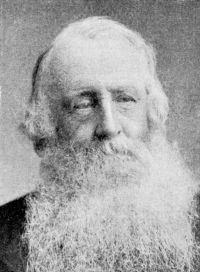
Portrait of Edward A. Freeman Edward A. Freeman,  A short history of the Norman Conquest of England (1908)

“ A king has won a kingdom by force, or he has added some new lands to the kingdom which he had4 before. The changes made by such a conquest may be only what we may call political changes, changes in the government and most likely to some extent in the law. Such a conquest may be made with very little change which directly touches private men; it may be made without turning anybody out of his house or land. Indeed many men may even keep on the public offices which they held before. Now the Norman Conquest of England, though not so much as the other kind of conquest, was much more than this. ”
Source: Gutenberg

Get perspective with Kwize: daily news enlightened by great literature