Summary

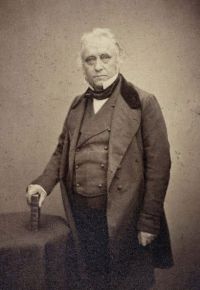
Portrait of Thomas Babington Macaulay Thomas Babington Macaulay The History of England from the Accession of James II…

Military renown, maritime ascendency, the policy once reputed so profound, the wealth once deemed inexhaustible, had passed away. An undisciplined army, a rotting fleet, an incapable council, an empty treasury, were all that remained of that which had been so great. Yet the proudest of nations could not bear to part even with the name and the shadow of a supremacy which was no more. All, from the grandee of the first class to the peasant, looked forward with dread to the day when God should be pleased to take their king to himself.
Source: Wikisource

Portrait of Thomas Babington Macaulay Thomas Babington Macaulay The History of England from the Accession of James II…

Sunderland had been uneasy from the first moment at which his name had been mentioned in the House of Commons. He was now in an agony of terror. The whole enigma of his life, an enigma of which many unsatisfactory and some absurd explanations have been propounded, is at once solved if we consider him as a man insatiably greedy of wealth and power, and yet nervously apprehensive of danger.
Source: Wikisource

Portrait of Thomas Babington Macaulay Thomas Babington Macaulay The History of England from the Accession of James II…

We have long ceased to apprehend danger to law and to freedom from the license of troops, and from the ambition of victorious generals. An alarmist who should now talk such language, as was common five generations ago, who should call for the entire disbanding of the land force of the realm, and who should gravely predict that the warriors of Inkerman and Delhi would depose the Queen, dissolve the Parliament, and plunder the Bank, would be regarded as fit only for a cell in Saint Luke's. But before the Revolution our ancestors had known a standing army only as an instrument of lawless power.
Source: Wikisource

Get perspective with Kwize: daily news enlightened by great literature