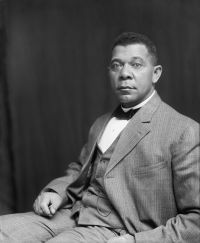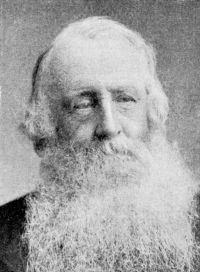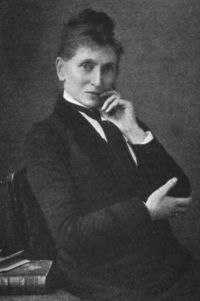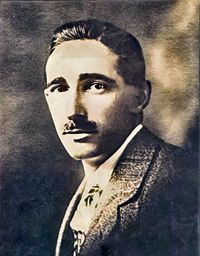
“ Marker looked sharply at Lewis, and George for a moment saw and contrasted the two faces. Lewis’s keen, kindly, humorous, cultured, with strong lines ending weakly, a face over-bred, brave and finical; the other’s sharp, eager, with the hungry wolf-like air of ambition, every line graven in steel, and the whole transfused, as it were, by the fire of the eyes into the living presentment of human vigour. ”
Lewis
Definition and stakes
The name Lewis, a masculine given name of English origin, derives from various European roots, including the Irish Lugaid, the German Ludwig, and the French Louis, as well as possible connections to the Scottish Isle of Lewis.
Authors have long imbued the name with distinct characterizations: John Buchan portrays it as a sign of refined courage, Paul Morand emphasizes its captivating charm in the face of competition, while Frank E. Smedley links it to honorable determination and a sense of duty to one’s family. These diverse portrayals highlight the name’s adaptability, reflecting both individuality and cultural significance across literature.
Quotes about “Lewis”
 Paul Morand,
Lewis and Irene
(1925)
Paul Morand,
Lewis and Irene
(1925)
“ Waldeck, Montgiscard, Marbot, and Léonardino, were nevertheless sincerely attached to Lewis. They admired him and considered him to have no equal in most fields. Certain people had, out of jealousy, tried to tread in his footsteps; it cost them dear; it was like sheep following a goat on to the ice and falling through owing to their greater weight. Lewis saw a great deal of his friends, or rather, to be accurate, was much sought by them. ”
Paul Morand,
Lewis and Irene
(1925)
“ Lewis saw that beneath their ultra British exteriors, their lounge coats, buttonholes and fancy trousers of City men, he was dealing with Orientals, jealous, passionate, untutored, sons of men who had specialized in exactly the same kind of business for a century, negotiating it with tradition, patience and greed ”