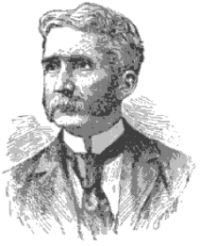
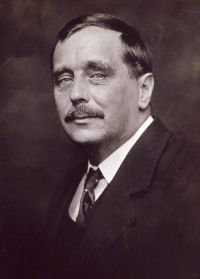
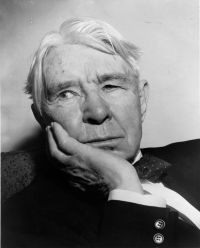
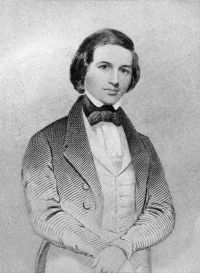
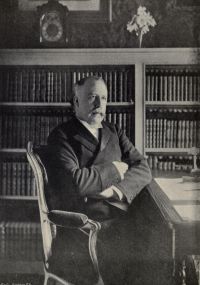
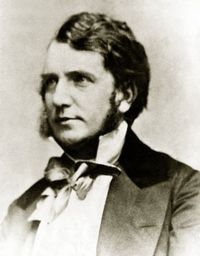
The parlour, traditionally a domestic space for social engagement, has long symbolized the interplay between private life and communal interaction. Authors have explored its significance through varied lenses: Henry Fielding reflected on its legacy as a stage for posthumous recognition, while Grenville Kleiser championed conversation as an art to revive amidst modern distractions.
Lewis Carroll imagined it as a realm for intellectual innovation, and James Baldwin celebrated talk as a means for shared discovery. These perspectives reveal the parlour as both a physical setting and a metaphor for the evolution of human connection, where dialogue shapes identity and culture.
 Henry Fielding,
History of Tom Jones, a Foundling
Henry Fielding,
History of Tom Jones, a Foundling