Champs-Élysées

Definition and stakes

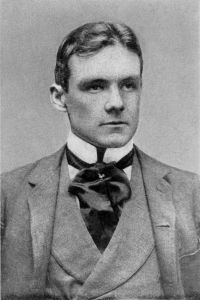
Mary King Waddington My First Years as a Frenchwoman…

There were many handsome carriages on the Champs-Elysées, filled with pretty, well-dressed women, and the opera and all the theatres were packed. Paris was illuminated the night of the opening of the exposition, the whole city, not merely the Champs-Elysées and boulevards. As we drove across the bridge on our way home from the reception at the Elysée, it was a beautiful sight—the streets full of people waiting to see the foreign royalties pass, and the view up and down the Seine, with the lights from the high buildings reflected in the water—like fairy-land.
Source: Gutenberg

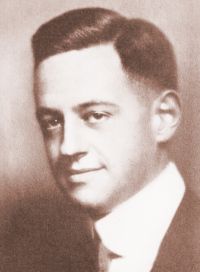
Portrait of Eric Fisher Wood Eric Fisher Wood The Note-Book of an Attaché: Seven Months in the War Zone

The Champs-Elysées is probably at present the darkest avenue on earth. All those monumental lamp-posts which used to [Pg 38] stand like beacons in the midst of the stream of traffic now shine no more. The sun seldom rises without revealing the ruins of one of these lamps and of an automobile, the two having mutually destroyed each other in the darkness. We do not know why the city is left in gloom.
Source: Gutenberg

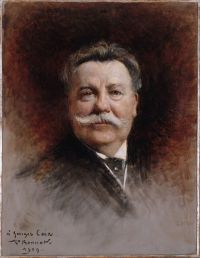
Portrait of Victor Hugo Victor Hugo Les Misérables, v. 1/5: Fantine

The Champs Élysées, full of sunshine and crowd, were nought but light and dust, two things of which glory is composed. The horses of Marly, those neighing marbles, reared amid a golden cloud. Carriages continually passed along; a squadron of splendid guards, with the trumpeter at their head, rode down the Neuilly avenue; the white flag, tinged with pink by the setting sun, floated above the dome of the Tuileries.
Source: Gutenberg

Get perspective with Kwize: daily news enlightened by great literature