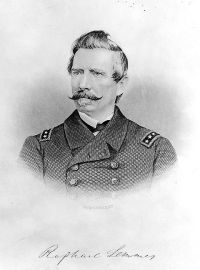
William H. Seward

Definition and stakes

D. W. Bartlett Presidential Candidates

The stranger who enters the hall of the United States Senate and casts his eye over the array of senators, will be not a little surprised, possibly somewhat amused, when William H. Seward is pointed out to him. Accustomed to think of Mr. Seward as one of the greatest men in the country, a first-class statesman, as well as orator—for he has read, not heard, his numberless speeches upon the subjects of the day—he expected to find a gentleman of imposing aspect, to discover the impressive appearance which awes the stranger, or the audience.
Source: Gutenberg

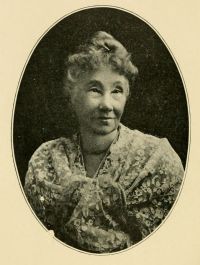
Portrait of Emily Edson Briggs Emily Edson Briggs The Olivia Letters

Not for a moment could one imagine fire coursing along his veins. His lips move, but only inarticulate sound reaches the gallery. The New York Independent must be mistaken when it says “he has become the friend of Andrew Johnson, the idol of the young Democracy.” Ambition may consume him with its unquenchable fire, but with the corpse of William H. Seward before his eyes he will never commit suicide. The Senate chamber is as quiet as a vaulted tomb. The orator of the day arises, and thousands of eyes are brought to a sudden focus. Benjamin F. Butler has the floor.
Source: Gutenberg

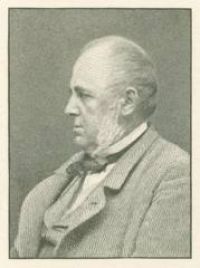
James Fairfax McLaughlin The life and times of John Kelly… (1885)

Within four little months Zachary Taylor lay dead in the White House, and Fillmore, Seward’s dearest foe, was President. The downfall of the Whig party soon followed, and Mr. Seward and Winfield Scott sat amid its ruins. It was about this time that Daniel Webster said to his friend Peter Harvey of Boston: “One of the convictions of my mind, and it is very strong, is that the people of the United States will never entrust their destinies, and the administration of their government, to the hands of William H. Seward and his associates.”
Source: Gutenberg

Get perspective with Kwize: daily news enlightened by great literature