Summary

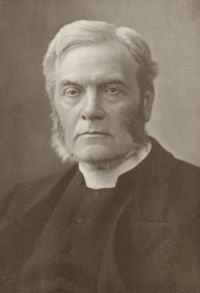
Portrait of Marcus Dods Marcus Dods The Expositor's Bible: The Book of Genesis

I can’t ask this man, who knows the world and has held the cup for Pharaoh, and is aware what a practical shape the king’s anger takes, to cherish hopes similar to those which often seem so remote and doubtful to myself. My religion has brought me into trouble: it has lost me my situation, it has kept me poor, it has made me despised, it has debarred me from enjoyment. Can I ask this man to trust to inward whisperings which seem to have so misled me? No, no; let every man bear his own burden. If he wishes to become religious, let not me bear the responsibility.
Source: Gutenberg

Portrait of Marcus Dods Marcus Dods The Expositor's Bible: The Book of Genesis

We can all find much in the world to comfort, to lull, to soothe sorrowful but wholesome remembrances; much to aid us in an easy treatment of the curse; much to shed superficial brightness on a life darkened and debased by sin, much to hush up the sad echoes that mutter from the dark mountains of vanity we have left behind us, much that assures us we have nothing to do but forget our old sins and busily occupy ourselves with new duties.
Source: Gutenberg

Portrait of Marcus Dods Marcus Dods The Expositor's Bible: The Book of Genesis

The better nature is gaining slightly the upper hand, and by a long, steady strain, seems to be wearying out the other, when suddenly there is one quick stroke and the evil nature conquers. And every movement of the parties is with pain to ourselves; either conscience is wronged, and gives out its cry of shame, or our natural desires are trodden down, and that also is pain. And so disconnected and connected are we, so entirely one with both parties, and yet so able to contemplate both that Rebekah’s distress seems aptly enough to symbolize our own.
Source: Gutenberg

Get perspective with Kwize: daily news enlightened by great literature