Summary

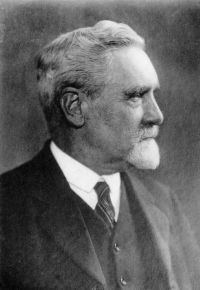
Portrait of J. Holland Rose J. Holland Rose William Pitt and the Great War

In the sordid annals of party strife this report of Lebrun holds a high place. In order to furbish up the dulled prestige of the Gironde he sought to excite national animosity, and to revive the former hatred of the name of Pitt. What could be more criminal than to sneer at the smallness of England's naval preparations? What more false than to charge Pitt and Grenville with secretly begging for interviews with agents whom outwardly they scorned? It is by acts like these that nations are set by the ears; and generally they are at one another's throats before the lie can be exposed.
Source: Gutenberg

Portrait of J. Holland Rose J. Holland Rose William Pitt and the Great War

Nevertheless, as the duty of a pioneer is not merely to hew a path, but also to note the lie of the land and the signs of the weather, we must admit that Pitt did not possess the highest instincts of his craft. He cannot be ranked with Julius Caesar, Charlemagne, Alfred the Great, Edward I, or Burleigh, still less with those giants of his own age, Napoleon and Stein; for these men boldly grappled with the elements of unrest or disloyalty, and by wise legislation wrought them into the fabric of the State.
Source: Gutenberg

Portrait of J. Holland Rose J. Holland Rose William Pitt and the Great War

His face was as yet scarcely marked by the slight Bacchic blotches which told of carouses with Dundas at Wimbledon. Months and years of triumph (apart from the Russian defeat) had stiffened his confidence and pride; but the fateful shadow of the French Revolution must have struck a chill to his being, especially then, on the arrival of news of the pitiable surrender of Louis XVI and Marie Antoinette, and the shooting down of the Swiss Guards at the Tuileries. No royalist could look on the future without inward shuddering; and both these men were ardent royalists.
Source: Gutenberg

Get perspective with Kwize: daily news enlightened by great literature