Napoleonic Wars

Definition and stakes

Charles Morris Famous Men and Great Events of the Nineteenth Century

But the old feeling was prominently shown again in the Napoleonic wars, when Great Britain resumed her attitude of enmity to France, and pursued the conqueror with an unrelenting hostility that finally ended in his overthrow. Only for this aggressive island Europe might have remained the bound slave of Napoleon’s whims. He could conquer his enemies on land, but the people of England lay beyond his reach. Every fleet he sent to sea was annihilated by his island foes. They held the empire of the waters as he did that of the land.
Source: Gutenberg

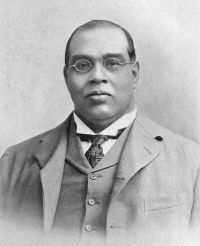
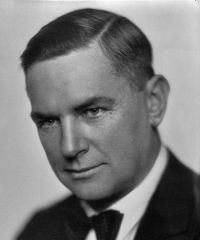
Portrait of Romesh Chunder Dutt Romesh Chunder Dutt Three Years in Europe, 1868 to 1871 (1896)

And England, which had secured political freedom for herself, nevertheless allied herself with Austria and Prussia and Russia to uphold the cause of absolute Royal power in Europe? It is customary with historians to attribute the Napoleonic wars to the ambition of Napoleon, for the nations which fought against him are loth to admit their own blood-guiltiness. But Napoleon was the soldier of the Revolution and fought for the principles of the Revolution; his opponents were the champions of absolute Royal power, and strove to maintain it in Europe.
Source: Wikisource

Lady Dorothy Nevill Leaves from the Note-Books of Lady Dorothy Nevill

NAPOLEON’S EFFIGY BURNT
It is difficult, indeed, for those of a later generation to realise the feelings of Englishmen of even seventy years ago towards our neighbours—now our friendly allies—across the Channel. To those who had lived through the time of the Napoleonic wars France was ever a rapacious and world-enslaving country, only awaiting another Buonaparte to make a descent upon the shores of England.
Source: Gutenberg

Get perspective with Kwize: daily news enlightened by great literature