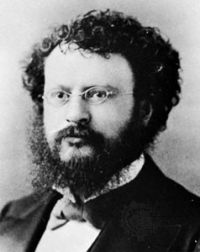
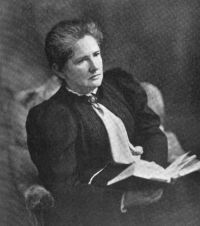
Charles Lee

Definition and stakes

Homer Greene,  Whispering Tongues

“ Parmenter grasped Lee’s hand again, and tears came into his eyes. It was seldom he displayed so much emotion; but his friend’s unselfishness touched him deeply.
“Come,” he said, quietly, “let’s go over and see about the name of Charles Lee. It’s high time for some one to take an interest in that.”
He picked up his hat, took his friend’s arm, and they started to leave the room; but at the threshold they met Robinson, also one of the appointees, who told them that Lee’s name was on the list. Then there were general rejoicings and congratulations.
”
Source: Gutenberg

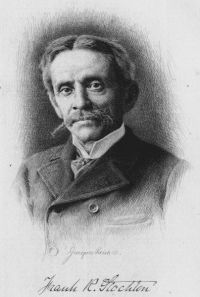
Portrait of Frank R. Stockton Frank R. Stockton,  Stories of New Jersey

“ Lee soon became acquainted with people in high places in American politics; and when the first Congress assembled, he was ready to talk with its members, urging them to stand up for their rights, and draw their swords and load their guns in defense of independence. It was quite natural, that, when the Revolution really began, a man who was so strongly in favor of the patriots, and had had so much military [Pg 121] experience in so many different lands, should be allowed to take part in the war, and Charles Lee was appointed major general. ”
Source: Gutenberg

Portrait of Washington Irving Washington Irving,  Life of George Washington — Volume 01

“ He was now chairman of a committee of vigilance, and had come to Boston in discharge of his political and semi-belligerent functions.
General Charles Lee was a military man of a different stamp; an Englishman by birth, and a highly cultivated production of European warfare. He was the son of a British officer, Lieutenant-colonel John Lee, of the dragoons, who married the daughter of Sir Henry Bunbury, Bart., and afterwards rose to be a general. Lee was born in 1731, and may almost be said to have been cradled in the army, for he received a commission by the time he was eleven years of age.
”
Source: Gutenberg

Get perspective with Kwize: daily news enlightened by great literature