Dutocq

Definition and stakes

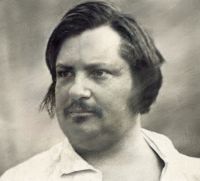
Portrait of Honoré de Balzac Honoré de Balzac,  The Government Clerks (1837)

“ Idle and incapable, he hated Rabourdin,—naturally enough, for Rabourdin had no vice to flatter, and no bad or weak side on which Dutocq could make himself useful. Far too noble to injure a clerk, the chief was also too clear-sighted to be deceived by any make-believe. Dutocq kept his place therefore solely through Rabourdin's generosity, and was very certain that he could never be promoted if the latter succeeded La Billardiere. Though he knew himself incapable of important work, Dutocq was well aware that in a government office incapacity was no hindrance to advancement ”
Source: Wikisource

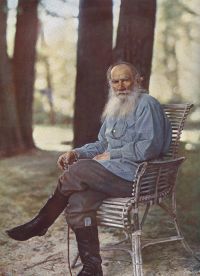
Portrait of Honoré de Balzac Honoré de Balzac,  The Government Clerks (1837)

“ Bixiou named Baudoyer, Godard, and Dutocq a "Trinity without the Spirit," and little La Billardiere the "Pascal Lamb."
"You are early this morning," said Antoine to Dutocq, laughing.
"So are you, Antoine," answered Dutocq; "you see, the newspapers do come earlier than you let us have them at the office."
"They did to-day, by chance," replied Antoine, not disconcerted; "they never come two days together at the same hour."
”
Source: Wikisource

Portrait of Honoré de Balzac Honoré de Balzac,  Bureaucracy

“ Here follows the portrait of Monsieur Dutocq, order-clerk in the Rabourdin bureau: Thirty-eight years old, oblong face and bilious skin, grizzled hair always cut close, low forehead, heavy eyebrows meeting together, a crooked nose and pinched lips; tall, the right shoulder slightly higher than the left; brown coat, black waistcoat, silk cravat, yellowish trousers, black woollen stockings, and shoes with flapping bows ”
Source: Gutenberg

Get perspective with Kwize: daily news enlightened by great literature