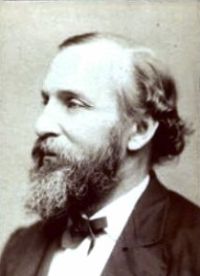
John de Witt

Definition and stakes

Portrait of Marjorie Bowen Marjorie Bowen I Will Maintain

Binnenhof and Buitenhof were both dark save for this one light in John de Witt’s window.
The stars shone through a fine vapour; the glow of the lamps round the Vyverberg was half obscured by the thick leaves of the wych elms and the limes, which sent up a luscious fragrance to the open window.
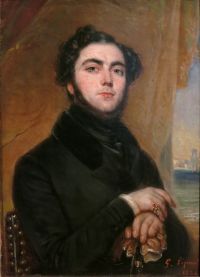
John de Witt stood quite still. The black velvet and falling lace collar threw into relief his romantic good looks; the candid and melancholy features that were strangely unlined and simple in expression for one whose years had been so laboriously full.
Source: Gutenberg

Portrait of Marjorie Bowen Marjorie Bowen I Will Maintain

Europe was shaken from end to end; and in a few weeks, even days, the storm that had nearly overwhelmed the United Provinces became a great war whirlwind enveloping the world.
John de Witt does his part. His heart swells with pleasure at the deliverance of his country; he does justice, too late, to the Prince whom he has always mistrusted.
He is reviled, hated, cursed; the storm has already engulfed his brother.
Cornelius de Witt, who left the Hague with a guard of honour as plenipotentiary of Their Noble Mightinesses, returned to it on foot, a prisoner.
Source: Gutenberg

Portrait of Marjorie Bowen Marjorie Bowen I Will Maintain

John de Witt is distracted by the agony of Maria de Witt, the fears of his own children, the piteous bewilderment of his father, the dismay of his friends; his very trust in God is almost shaken.
In the bitterness of his despair he appeals to the man who was once his pupil.
The day before the final verdict on Cornelius (and his brother does not doubt that it will be death) the Stadtholder returns unexpectedly to the Hague.
Source: Gutenberg

Get perspective with Kwize: daily news enlightened by great literature