C. Russell

Biographical details

C. Russell,  The House Sparrow (1885)

“ Without going further into the detail of sparrows' food, the question whether they are or not, on the whole, useful to the farmer by destroying insects can, I think, easily be decided. They seldom go far from houses and roads into the fields except when they can get corn there, and then for the sole purpose of eating it, as the contents of their crops prove. Going through the fields in May and June, when most insects are given to their young, I seldom see a sparrow much more than a hundred yards from a house or road. ”
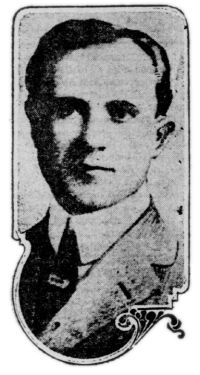
Source: Wikisource

C. Russell,  The House Sparrow (1885)

“ When first hatched, a sparrow's gizzard is small, but it quickly increases in size, till by the time the bird is half grown—'stump feathered'—it has become a large bag, very different from and much larger than that of an old one. Up to this age, at which nestlings have most food in them, there is no enlarged gullet or crop, and the food goes straight into the gizzard; so this must be examined to find out what young sparrows have been fed with. As the bird becomes feathered, the gizzard becomes smaller and harder; by the time it can fly the gizzard is like that of an old bird. ”
Source: Wikisource

C. Russell,  The House Sparrow (1885)

“ Many townspeople like sparrows, thinking that they are the only birds which will live in towns. They do not seem to know that if there were no sparrows, they would have, instead of them, plenty of martins, as much pleasanter to look at as squirrels are than rats. White, in his 'Natural History of Selborne,' said, 'There are few towns or large villages but what abound with house-martins.' The sparrows persecuted them badly in his time, and he had had them shot when they deprived his martins of their nests. ”
Source: Wikisource

Get perspective with Kwize: daily news enlightened by great literature