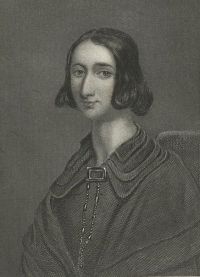
Lady Scott

Biographical details

Lady Scott,  A Marriage in High Life, Volume II (1828)

“ But it is the sin into which suffering betrays us all. The wretched are hidden, or hide themselves, from our view; and when, in sorrow, we look around us, we compare our situation with those only who happen, at that moment, to be basking in the transitory sunshine of cheerfulness. How many, as Emmeline’s gay equipage drove rapidly by, probably coveted her riches, her luxuries, her youth, and her beauty! while she envied the ragged, laughing beggar-boy, by the road-side, who, as her carriage passed, tossed his naked arms in the air, hallooing, in pure gaiety of heart and enjoyment of existence. ”
Source: Gutenberg

Lady Scott,  A Marriage in High Life, Volume II (1828)

“ Pelham, when he came to Arlingford, soon saw how things were, and took me to task—he had known me long; known all my history.”
Fitzhenry paused: at length, resuming in a lower, graver tone—“Emmeline! my wife!” said he, “I must ease my mind by confessing all to you. I have loved—madly loved—it was a delirium, an intoxication, an infatuation—but on my honour, before God!” and he fervently clasped his hands together—“before God, I swear it is over. My esteem, my admiration, all is now, indeed has long been, yours.”
Fitzhenry had left out the word love; and Emmeline missed it.
”
Source: Gutenberg

Lady Scott,  A Marriage in High Life, Volume I (1828)

“ You shall enjoy all the worldly advantages you have sought in your marriage with me—all the happiness which wealth—your own wealth—can bestow; and it shall be my endeavour, as far as I can, to make your life happy. You shall be completely mistress in your own house, and of all your actions. Your comfort shall ever be consulted; and I think can venture to say for myself, that you may depend on my kindness, and even on my friendship; but my affections as a lover, as a husband, while the same heart beats in my breast, can never be yours. ”
Source: Gutenberg

Get perspective with Kwize: daily news enlightened by great literature