M.J. Paulsen; David C. Hawks

Biographical details

M.J. Paulsen; David C. Hawks,  A review of the primary types of the Hawaiian stag beetle genus Apterocyclus Waterhouse…

“ The male genitalia of all species are more or less uniform and not useful for delineating species. Even with the variability within species and lack of distinct male genitalia, we have identified five species that are supported by clear and consistent morphological differences. Although we believe [3] work on other lucanids to be more competent than his near contemporaries, we found that he was too conservative when he synonymized some of Sharp’s species under Apterocyclus honoluluensis. ”
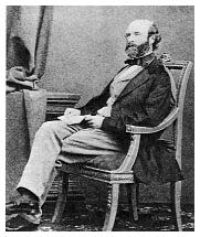
Source: Wikisource

M.J. Paulsen; David C. Hawks,  A review of the primary types of the Hawaiian stag beetle genus Apterocyclus Waterhouse…

“ Abstract AbstractThe species of the Hawaiian stag beetle genus Apterocyclus Waterhouse (Coleoptera: Lucanidae) are reviewed following an examination of all primary types. Although the continued existence of the species is unknown and some possibly are extinct there are five recently extant species, including one species that is described here as new. The holotypes for all available names are pictured, and synonymies discussed and updated. Lectotypes are designated for Apterocyclus honoluluensis Waterhouse and A. munroi Sharp. A key to species and a revised catalog for the genus are provided. ”
Source: Wikisource

M.J. Paulsen; David C. Hawks,  A review of the primary types of the Hawaiian stag beetle genus Apterocyclus Waterhouse…

“ A few specimens of each sex exhibit a single weak external tooth on the protibia, unlike the majority of specimens for which the entire external margin of the protibiae is otherwise a useful diagnostic character. Based on the specimens studied there is also pronounced variability in males in surface sculpture (shiny vs. alutaceous) and mandibular shape. Some male specimens have mandibles with traces of additional internal teeth. Females are more strongly shiny and can be distinguished by their mandibles completely lacking internal teeth and their more spherical abdomens. ”
Source: Wikisource

Get perspective with Kwize: daily news enlightened by great literature