Summary

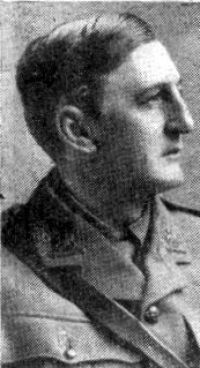
Portrait of A. E. W. Mason A. E. W. Mason The Summons — XVII: On a Cape of Spain (1920)

If our luck holds—and why should it not?—no one need ever know that the Señor Marteen and his friend José Medina picnicked for three days upon that cape."
"But the lighthouse-keepers! What of them?" objected Hillyard. In him, too, hope and excitement were leaping high. But this objection he offered up on the altars of the gods who chastise men for the insolence of triumph.
"What of them?" José Medina repeated gaily. "They, too, are my friends this many a year." He seated himself at the wheel of the car. "Come, for we cannot drive fast amongst these hills in the dark."
Source: Wikisource

Portrait of A. E. W. Mason A. E. W. Mason The Summons — XVII: On a Cape of Spain (1920)

Two tiny fishing villages cluster a mile or two apart at the water's edge, and high up on the cape's flanks here and there a small rude settlement clings to the hillside. There are no roads to the cape. From the east you may ride a horse towards it, and lose your way. From the west you must approach by boat. So remote and unvisited is this region that the women in these high villages, their homes cut out of the actual brown rock, still cover their faces with the Moorish veil.
There are no roads, but José Medina was never deterred by the lack of roads.
Source: Wikisource

Portrait of A. E. W. Mason A. E. W. Mason The Summons — XVII: On a Cape of Spain (1920)

For endurance and activity there is no one like José Medina between the sea and the Pyrenees. You think him safe in Mallorca and look! He lands one morning from the steamer, jumps into a motor-car, and in five minutes—whish!—he is gone like the smoke of my cigarette. He will drive his car through our mountains by tracks, of which the guardia civil does not even know the existence.
Source: Wikisource

Get perspective with Kwize: daily news enlightened by great literature