Summary

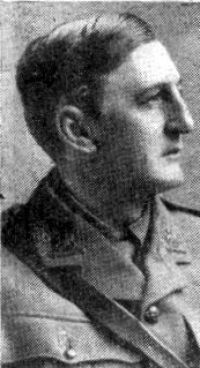
Portrait of A. E. W. Mason A. E. W. Mason The Witness for the Defence — II: On Bignor Hill (1914)

But before he could reach out an arm to hold her she was upright again, and with a cut of her whip she was off at a gallop.
"Stella," he cried, but she only used her whip the more. She galloped madly and blindly over the grass, not knowing whither, not caring, loathing herself. Thresk galloped after her, but her horse, maddened by her whip and the thud of the hoofs behind, held its advantage.
Source: Wikisource

Portrait of A. E. W. Mason A. E. W. Mason The Witness for the Defence — II: On Bignor Hill (1914)

They rode through the little town, past the inn where Thresk was staying and the iron gates of a Park where, amidst elm-trees, the blackened ruins of a great house gaped to the sky.
"Some day you will live there again," said Thresk, and Stella's lips twitched with a smile of humour.
"I shall be very glad after to-day to leave the house I am living in," she said quietly, and the words struck him dumb. He had subtlety enough to understand her. The rooms would mock her with memories of vain dreams. Yet he kept silence. It was too late in any case to take back what he had said
Source: Wikisource

Portrait of A. E. W. Mason A. E. W. Mason The Witness for the Defence — II: On Bignor Hill (1914)

In her mind ran the thought: what queer unimportant things men think about! The early years! Wouldn't their difficulties, their sorrows be the real savour of life and make it worth remembrance, worth treasuring? But men had the right of speech. Not again would she forget that. She bowed her head and he blundered on.
"For you there'll be a better destiny. There's that great house in the Park with its burnt walls. I should like to see that rebuilt and you in your right place, its mistress." And his words ceased as Stella abruptly turned to him.
Source: Wikisource

Get perspective with Kwize: daily news enlightened by great literature