Summary

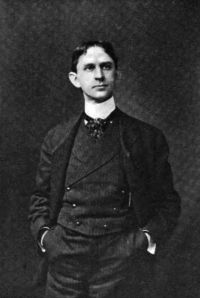
Portrait of Albert Bigelow Paine Albert Bigelow Paine The Boys' Life of Mark Twain — Chapter 53 (1916)

What Henry Rogers did give to Mark Twain was his priceless counsel and time—gifts more precious than any mere sum of money—favors that Mark Twain could accept without humiliation. He did accept them, and never ceased to be grateful. He rarely wrote without expressing his gratitude, and we get the size of Mark Twain's obligation when in one letter we read:
I have abundant peace of mind again no sense of burden.
Source: Wikisource

Portrait of Albert Bigelow Paine Albert Bigelow Paine The Boys' Life of Mark Twain — Chapter 53 (1916)

Samuel Clemens's obligation to Henry Rogers was very great, but it was not quite the obligation that many supposed it to be. It was often asserted that the financier lent, even gave, the humorist large sums, and pointed out opportunities for peculation. No part of this statement is true. Mr. Rogers neither lent nor gave Mark Twain money, and never allowed him to speculate when he could prevent it. He sometimes invested Mark Twain's own funds for him, but he never bought for him a share of stock without money in hand to pay for it in full—money belonging to, and earned by, Clemens himself.
Source: Wikisource

Portrait of Albert Bigelow Paine Albert Bigelow Paine The Boys' Life of Mark Twain — Chapter 53 (1916)

Rogers showed that a balance of thirteen thousand dollars would remain to his credit after the last accounts were wiped away.
Clemens had tried to keep his money affairs out of the newspapers, but the payment of the final claims could not be concealed, and the press made the most of it. Head-lines shouted it. Editorials heralded Mark Twain as a second Walter Scott, because Scott, too, had labored to lift a great burden of debt. Never had Mark Twain been so beloved by his fellow-men.
Source: Wikisource

Get perspective with Kwize: daily news enlightened by great literature