Summary

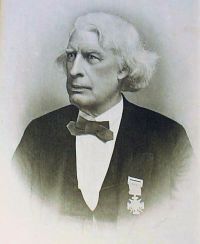
Portrait of Albert Mackey Albert Mackey The Symbolism of Freemasonry — Chapter VII (1882)

I do not now propose to enter upon so extensive a task as to trace the history of the institution from the completion of the first temple to its destruction by Nebuchadnezzar; through the seventy-two years of Babylonish captivity to the rebuilding of the second temple by Zerubbabel; thence to the devastation of Jerusalem by Titus, when it was first introduced into Europe; through all its struggles in the middle ages, sometimes protected and sometimes persecuted by the church, sometimes forbidden by the law and oftener encouraged by the monarch
Source: Wikisource

Portrait of Albert Mackey Albert Mackey The Symbolism of Freemasonry — Chapter VII (1882)

From time to time, however, other partial unions took place, as in the instance of Pythagoras, who, originally a member of the school of Spurious Freemasonry, was, during his visit to Babylon, about four hundred and fifty years after the union at the temple of Jerusalem, initiated by the captive Israelites into the rites of Temple Masonry, whence the instructions of that sage approximate much more nearly to the principles of Freemasonry, both in spirit and in letter, than those of any other of the philosophers of antiquity
Source: Wikisource

Get perspective with Kwize: daily news enlightened by great literature