Summary

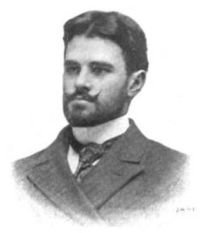
Portrait of Albert Payson Terhune Albert Payson Terhune Lad, A Dog — Chapter V. For a Bit of Ribbon (1919)

The racket that bursts so deafeningly on humans as they enter the Garden, during a dog-show, was wholly audible to Lad out in the street itself. And, as instinct or scent makes a hog flinch at going into a slaughterhouse, so the gallant dog’s spirit quailed for a moment as he followed the Mistress and the Master into the building.
A man who is at all familiar with the ways of dogs can tell at once whether a dog’s bark denotes cheer or anger or terror or grief or curiosity. To such a man a bark is as expressive of meanings as are the inflections of a human voice.
Source: Wikisource

Portrait of Albert Payson Terhune Albert Payson Terhune Lad, A Dog — Chapter V. For a Bit of Ribbon (1919)

To do justice to the Master and the Mistress, they had no idea—then—of this torture. Otherwise all the blue ribbons ever woven would not have tempted them to subject their beloved chum to it.
In some kennels Airedales were “plucked,” by hand, to rid them of the last vestige of the soft gray outer coat which is an Airedale’s chief natural beauty—and no hair of which must be seen in a show. “Plucking” a dog is like pulling live hairs from a human head, so far as the sensation goes. But show-traditions demand the anguish.
Source: Wikisource

Portrait of Albert Payson Terhune Albert Payson Terhune Lad, A Dog — Chapter V. For a Bit of Ribbon (1919)

The greatest lawyer makes often the worst judge. Legal annals prove this; and the same thing applies to dog-experts. They are sane rather than judicial.
McGilead had scant patience with the ultramodern, inbred and grayhoundlike collies which had so utterly departed from their ancestral standards. At one glimpse he had recognized Lad as a dog after his own heart—a dog that brought back to him the murk and magic of the Highland moors.
Source: Wikisource

Get perspective with Kwize: daily news enlightened by great literature