Summary

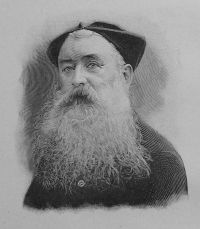
Portrait of A. Vimar A. Vimar Clown, the Circus Dog

In a word, he took up once more his happy family life, full of delightful things: pleasant strolls with Marie, delightful wanderings with Bertha, caresses lovingly given and returned.
[Pg 118]
From this memorable day, Clown, who had learned his lesson, and grown wise by experience, was the first to bring his leash when it was time to go out.
He would carry it triumphantly in his mouth as if to say, "Don't let's forget it!" For nothing in the world could you get him to venture alone upon the streets.
At the present time Clown is perfectly happy. His adventures are all in the past.
Source: Gutenberg

Portrait of A. Vimar A. Vimar Clown, the Circus Dog

Passing close to the elephants, he noticed their small intelligent eyes, contrasting so queerly with their huge size. While he was wondering about them, Clown, who was by nature very curious, drew nearer, wanting to sniff more closely at those long noses which swayed so slowly and calmly from side to side. He succeeded in getting close enough to touch them, but at the slightest movement of the trunk he leaped back, his tail between his legs, although he just had to return.
Source: Gutenberg

Portrait of A. Vimar A. Vimar Clown, the Circus Dog

Uncle Jean found that Clown learned tricks easily—he seemed to like to show off—but in other ways he was not so easily managed. He was rather fond of having his own way, and his young mistress got more than one scolding for spoiling him. He insisted on being fed from her own hand, and he would sleep nowhere but in Bertha's room.
Men are conceited things and think themselves much wiser than the animals, but I don't believe they know so very much more after all. It's a question whether the animal's instinct isn't of as much use to him as intelligence is to man.
Source: Gutenberg

Get perspective with Kwize: daily news enlightened by great literature