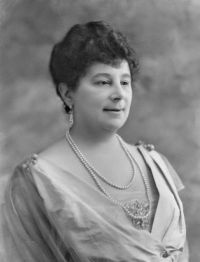
Baroness Orczy

Baroness Orczy

Summary

Portrait of Baroness Orczy Baroness Orczy The Laughing Cavalier — XLI (1914)

He knew well enough that he would find silence here, that three dozen men—cowards and mercenaries all—had been scattered like locusts before a gale. Overhead he heard the tramping of feet, his friends—Beresteyn, Heemskerk, van Does—were making ready for flight. His one scheme of vengeance—that for which he had thirsted and plotted and sinned—had come to nought, but he had yet another in his mind—one which, if successful, would give him no small measure of satisfaction for the failure of the other.
Source: Wikisource

Portrait of Baroness Orczy Baroness Orczy The Laughing Cavalier — XLI (1914)

Stoutenburg made no comment on this brief narrative, even the power of cursing seemed to have deserted him. He left Jan kneeling there on the frozen ground, and without a word he turned on his heel and made his way once more between the beams under the molens back toward the hut.
Vengeance indeed had eluded his grasp. The two men whom on earth he hated most had remained triumphant while he himself had been brought down to the lowest depths of loneliness and misery. Friendless, kinless now, life indeed, as he had told Gilda, was at an end for him.
Source: Wikisource

Portrait of Baroness Orczy Baroness Orczy The Laughing Cavalier — XLI (1914)

The world doth at times allow a man to fail in the task of his life, it will forgive that one failure and allow the man to try again. But a second failure is unforgivable, men turn away from the blunderer in contempt. Who would risk life, honour and liberty in a cause that has twice failed?
Stoutenburg knew this.
Source: Wikisource

Get perspective with Kwize: daily news enlightened by great literature