Summary

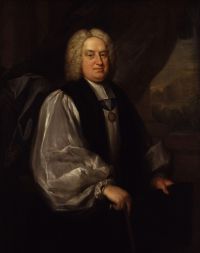
Portrait of Benjamin Hoadly Benjamin Hoadly St. Paul's Behaviour Towards the Civil Magistrate (1808)

If these notions be embraced, what must be thought of St. Paul, under the Roman state, who thought it his happiness to have rights, and privileges settled by written laws? What must we think of the wisest nations in former times, who could devise no greater security against oppression and unhappiness in societies than laws? And if we come home to ourselves, what must we think of the envied constitution under which we live, and, by the virtue and power of laws all enjoy the chief happinesses that human life can wish for?
Source: Wikisource

Portrait of Benjamin Hoadly Benjamin Hoadly St. Paul's Behaviour Towards the Civil Magistrate (1808)

A lasting liberty is founded upon laws; and is the result of a good constitution of government, as health is of a right constitution of body. In this also, like wealth, that it is valued most by those who know the taste of it, under the first apprehension, or sense of the want of it, but little prized by thoughtless men under secure and unshaken enjoyment; whilst slavery, like sickness, to those who never tasted it, seems nothing; and to those who have been oppressed long enough to forget what liberty is, becomes the more tolerable
Source: Wikisource

Portrait of Benjamin Hoadly Benjamin Hoadly St. Paul's Behaviour Towards the Civil Magistrate (1808)

Let them learn from himself that when he speaks highly of magistrates it is of such who are gods indeed in human society; such as maintain the character and dignity of their station by answering the ends of it; and that when they descend to invade the privileges they were ordained to guard, he knew no such profound respect to be due to them. Let them learn from him that the laws of the Roman state were above the executive power
Source: Wikisource

Get perspective with Kwize: daily news enlightened by great literature