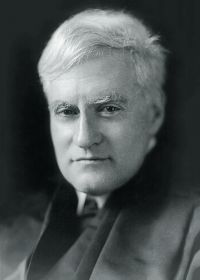
 Benjamin N. Cardozo,
Davis v. Aetna Acceptance Co.…
Benjamin N. Cardozo,
Davis v. Aetna Acceptance Co.…
“ Was petitioner a trustee in that strict and narrow sense? We think plainly he was not, though multiplicity of documents may obscure his relation if the probe is superficial. The only writing at all suggestive of a trust is the one that is characterized as a trust receipt. What effect would be given to it if it stood alone there is no occasion to consider. It does not stand alone, but is a member of a group which must be read with a collective meaning. The note, the chattel mortgage, the trust receipt, and the bill of sale were made at the same time. We must view them all together. ”
