Summary

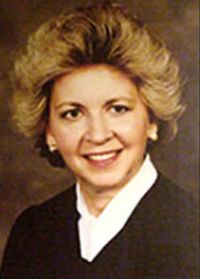
Portrait of Carol Los Mansmann Carol Los Mansmann In re Krystal Cadillac Oldsmobile GMC Truck… (1998)

Reading the franchise agreement and the Act together, as we must, we conclude that the franchise agreement was not terminated, but rather, was in force on the date the Debtor filed the petition in bankruptcy. The Act makes clear that once a dealer has appealed the notice of termination, that termination shall not become effective until the Vehicle Board issues its decision. Indeed, counsel for GM conceded at oral argument that Krystal Cadillac retained a viable legal interest in the GM franchise at the time Krystal Cadillac filed a notice of appeal with the Vehicle Board.
Source: Wikisource

Portrait of Carol Los Mansmann Carol Los Mansmann In re Krystal Cadillac Oldsmobile GMC Truck… (1998)

The automatic stay is one of the fundamental debtor protections provided by the bankruptcy laws. It gives the debtor a breathing spell from his creditors. It stops all collection efforts, all harassment, and all foreclosure actions. It permits the debtor to attempt a repayment or reorganization plan, or simply to be relieved of the financial pressures that drove him into bankruptcy. The automatic stay also provides creditor protection. Without it, certain creditors would be able to pursue their own remedies against the debtor's property.
Source: Wikisource

Portrait of Carol Los Mansmann Carol Los Mansmann In re Krystal Cadillac Oldsmobile GMC Truck… (1998)

It is on this language that the bankruptcy court here relied in concluding that GM did not violate the automatic stay when it participated in the proceeding before the Vehicle Board. The bankruptcy court failed to recognize that, in both Inslaw and Martin-Trigona, the debtors were using the automatic stay provision to invoke the bankruptcy court's jurisdiction over a non-core dispute. Here, the asset itself is at the core of the dispute.
Source: Wikisource

Get perspective with Kwize: daily news enlightened by great literature