Summary

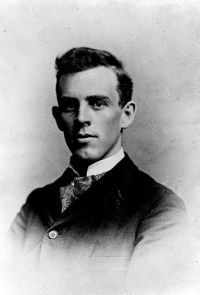
Portrait of David Grandison Fairchild David Grandison Fairchild Circular of the United States Department of Agriculture… (1899)

Saaz and Auscha, the two most noted hop-growing districts of Bohemia, are rivals in the production of a hop which is not surpassed by any other in the world, and is equalled in aroma and fine bitter flavor only by the finest "Golding" hop of Kent, England. Each region claims priority as to being the one in which the hop plant was first cultivated, back in almost prehistoric times.
Source: Wikisource

Portrait of David Grandison Fairchild David Grandison Fairchild Circular of the United States Department of Agriculture… (1899)

In Auscha there are old laws which enforce their immediate removal. Such male plants are called wild hops and are most abundant in waste places about the gardens. A single male plant in a garden will fertilize enough females to materially injure the whole harvest by the formation of a high percentage of seed in the otherwise seedless flowers. When the number of hops with seeds reaches more than two-tenths of one per cent they are rated in Bohemia as of second grade quality. I was told in Saaz that English and American hops contain quantities of seed even as high as 6 and 7 per cent.
Source: Wikisource

Portrait of David Grandison Fairchild David Grandison Fairchild Circular of the United States Department of Agriculture… (1899)

In the old or pole system a pine pole 20 feet high is set in the ground beside each plant, and two vines are trained upon it, being held in position by straw wisps or bits of twine, which are renewed during the season as they rot or are torn away. The newer method, or wire system, while costing more to inaugurate, is less expensive to maintain, gives more room for cultivation between the rows, and allows a freer circulation of air through the garden. Hop diseases are reputed to be less prevalent in such gardens.
Source: Wikisource

Get perspective with Kwize: daily news enlightened by great literature