Summary

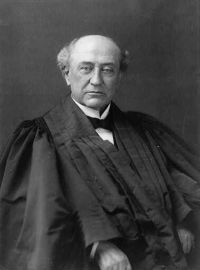
Portrait of David Josiah Brewer David Josiah Brewer Brown v. New Jersey — Opinion of the Court

It gives the defendant a reasonable opportunity to ascertain the qualifications of proposed jurors, and to protect himself against any supposed prejudices in the mind of any particular individual called as a juror. Whether better or no than any other method, it is certainly a fair and reasonable way of securing an impartial jury, was provided for by the laws of the state, and that is all that due process in this respect requires.
Source: Wikisource

Portrait of David Josiah Brewer David Josiah Brewer Brown v. New Jersey — Opinion of the Court

The manner of selection is one calculated to secure an impartial jury, and the purpose of criminal procedure is not to enable the defendant to select jurors, but to secure an impartial jury. 'The accused cannot complain if he is still tried by an impartial jury. He can demand nothing more. Northern P. R. Co. v. Herbert, 116 U.S. 642, 29 L. ed. 755, 6 Sup. Ct. Rep. 590. The right to challenge is the right to reject, not to select, a juror. If from those who remain an impartial jury is obtained, the constitutional right of the accused is maintained.' Hayes v.
Source: Wikisource

Portrait of David Josiah Brewer David Josiah Brewer Brown v. New Jersey — Opinion of the Court

Due process and equal protection of the laws are guaranteed by the [ [Additional amendments to the United States Constitution#Amendment XIV| [ [Additional amendments to the United States Constitution#Amendment XIV| [ [Additional amendments to the United States Constitution#Amendment XIV|Fourteenth Amendment] ] ] ] ] ] , and this amendment operates to restrict the powers of the state, and if trial by a struck jury conflicts with either of these specific provisions it cannot be sustained. A perfectly satisfactory definition of due process may perhaps not be easily stated.
Source: Wikisource

Get perspective with Kwize: daily news enlightened by great literature