Summary

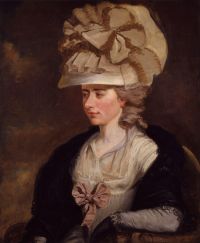
Portrait of Frances Burney Frances Burney Cecilia — Book 10/Chapter i: A DISCOVERY (1782)

The felicity of Cecilia, whom she loved, admired and revered, she wished with the genuine ardour of zealous sincerity; but that Delvile, the very cause and sole subject of her own personal unhappiness, should himself constitute that felicity, was too much for her spirits, and seemed to her mortified mind too cruel in her destiny.
Cecilia, who in the very vehemence of her sorrow saw its innocence, was too just and too noble to be offended by it, or impute to the bad passions of envy or jealousy, the artless regret of an untutored mind.
Source: Wikisource

Portrait of Frances Burney Frances Burney Cecilia — Book 10/Chapter i: A DISCOVERY (1782)

Long accustomed to regard him as a safe and disinterested old friend, the respect with which, as a child, she had looked up to him, she had insensibly preserved when a woman. That respect had taught her to consider his notice as a favour, and far from suspiciously shunning, she had innocently courted it: and his readiness in advising and tutoring her, his frank and easy friendliness of behaviour, had kept his influence unimpaired, by preventing its secret purpose from being detected.
Source: Wikisource

Portrait of Frances Burney Frances Burney Cecilia — Book 10/Chapter i: A DISCOVERY (1782)

Evil thoughts thus awakened, stopt not merely upon facts; conjecture carried her further, and conjecture built upon probability. The officiousness of Morrice in pursuing her to London, his visiting her when there, and his following and watching Delvile, she now reasonably concluded were actions directed by Mr Monckton, whose house he had but just left, and whose orders, whatever they might be, she was almost certain he would obey.
Source: Wikisource

Get perspective with Kwize: daily news enlightened by great literature