“ Bennet’s manner is almost painfully thoughtful. His eye constantly seeks hers; and when he speaks to her, the mechanical smile which greets every body else is replaced by a kind of indescribable, touching appeal for forgiveness. It is conveyed in no particular thing that he says or does, but it pervades his whole intercourse with her. As Gabriel and Ellen grow up toward maturity, Mrs. Bennet observes that the same peculiarity is stealing into his manner toward them. ”
Bennet
Definition and stakes
The literary concept of "Bennet" primarily refers to a character archetype or surname prominently featured in 19th- and early-20th-century fiction, often embodying intricate social roles and familial relationships. Authors such as Jane Austen depict Bennet as a reserved patriarch, as seen in Pride and Prejudice, where his quiet demeanor contrasts with his family’s liveliness.
George William Curtis portrays Bennet as a man whose "painfully thoughtful" interactions reveal emotional depth, while Onoto Watanna emphasizes his "overpoweringly human" qualities that inspire trust. These varied portrayals—ranging from protective fatherhood to complex social navigation—highlight the multifaceted nature of the name, reflecting both personal integrity and societal expectations across diverse narratives.
Quotes about “Bennet”
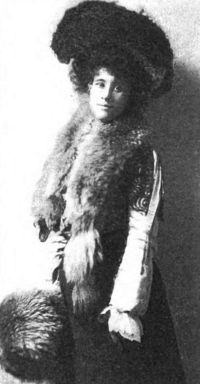 Onoto Watanna,
Me: A Book of Remembrance
Onoto Watanna,
Me: A Book of Remembrance
“ There was something so tremendously good about Bennet, so overpoweringly human and great, that I felt the same as I would have felt if a woman had offered to help me. On the other hand, I was desperately in love with Hamilton. I wanted to impress him. I wanted his good opinion. I unconsciously assumed a pose—perhaps that is it—and I had to live up to it. Then I have often thought that almost any woman would have confidently accepted help from Bennet, but might have hesitated to take anything from Mr. Hamilton.Some men inspire us with instant confidence; we are "on guard" with others. ”
The Wedding Guest: A Friend of the Bride and Bridegroom (1856)
“ Bennet became a father, in the first gush of parental emotion he forgot even the exercise of the veto, in reference to the arrangements for the comfort of the little stranger, so that for a few weeks the happy mother carried out her own plans without any interference."Have you decided on a name for this dear little girl?" said Mrs. Bennet, as they sat together, one morning, caressing the object of so many hopes, and of so much affection."I wish you to name her, my dear," he replied; "it is your privilege to do so." ”