Summary

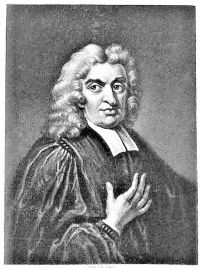
Portrait of Francis Blomefield Francis Blomefield History of Norfolk — Chapter 39

Edmund the Martyr of Hoxne, or Hoxon, who was there martyred by the Danes, in the year 871; to whose honour this chapel was erected very early, for Thomas de Blumville Bishop of Norwich, who was consecrated in 1226, confirmed all revenues and privileges to God, and the chapel of St. Edmund at Hoxne, and the monks serving God there; who now were removed from the Bishop's palace, where they were first placed, and fixed in their cell or monastery now built by this chapel, which they daily served.
Source: Wikisource

Portrait of Francis Blomefield Francis Blomefield History of Norfolk — Chapter 39

The Priors of the several cells of Lynn, Yarmouth, NorthElmham, Hoxne, St. Leonard's on Mushold, and Aldby, where, by composition between the monks and prior, named by the prior out of the monks, and confirmed and removed by the Bishop at the prior's request. These cells were colonies, into which the monastery discharged their superfluous members, and whither the rest retired, when infectious were feared at home
Source: Wikisource

Portrait of Francis Blomefield Francis Blomefield History of Norfolk — Chapter 39

This reception for the monks was not finished till the year 1267, neither had the chapel till then any cimetery or liberty of burial, for Roger de Skerning Bishop of Norwich, on the 3d kal. of Aug. being then at Hoxne, solemnly dedicated a churchyard there, reserving at the same time, all fees due to the mother church of Hoxne, granting also forty days pardon, to all that contributed to the building or sustaining this chapel, which henceforward increased in revenues, so that at its dissolution, they were worth about 40l.
Source: Wikisource

Get perspective with Kwize: daily news enlightened by great literature