Summary

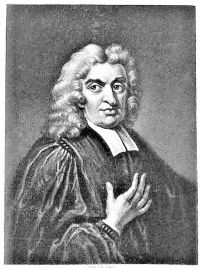
Portrait of Francis Blomefield Francis Blomefield History of Norfolk — Chapter 5

The whole of the castle, earldom, and city, being in the Conqueror's hands, he made Roger Bigot constable of the castle, who was the King's bailiff also, to gather all the rents arising from the borough of the castle, city, and earldom.
In the year 1085, the Saxon Chronicle says, the King sent messengers into every county to take an exact account of every hide of land, and the several owners thereof, how much rent, cattle, &c. every one had, in short, the substance of every man in England, whether in land, cattle, or money, was set down
Source: Wikisource

Portrait of Francis Blomefield Francis Blomefield History of Norfolk — Chapter 5

St. Michael's church on Tombland, was Bishop William's, of his own inheritance, and the church of the Holy Trinity, or St. John's Maddermarket, which belonged to 12 burgesses in the Confessor's time, was the Bishop's also by the King's gift.
Now at the time of the survey, there were in the borough 665 burgesses, Englishmen, and they pay the customs, and there are 480 bordars, who, because of poverty, pay no custom, and in that land which Stigand held in the time of King Edward, there now remain 39 burgesses of those above mentioned, and in the same there are 9 mansions void.
Source: Wikisource

Portrait of Francis Blomefield Francis Blomefield History of Norfolk — Chapter 5

There were no Jews in England before this King's reign, who brought many from Roan in Normandy, and settled them in London, Norwich, Cambridge, &c. In what capacity they came over, says Fuller in his Church History, p. 9, I do not find, perchance as plunderers, to buy such oppressed Englishmen's goods as Christians would not meddle with; sufficeth it us to know, that an invasion by conquest (such as King William then made) is like an inn, entertaining all adventurers
Source: Wikisource

Get perspective with Kwize: daily news enlightened by great literature